

In Memory of Bobby Wane
Bobby Wane was just 35 years old when, on 25 September 2025, he sadly lost his life following an unexpected sudden cardiac arrest caused by an undiagnosed heart condition, Hypertrophic Cardiomyopathy (HCM).
There were no obvious warning signs. No clear answers. It happened completely out of the blue.
Despite Bobby experiencing symptoms over time, and despite a family history of HCM, his symptoms were repeatedly mistaken for other conditions, including asthma. Because he was misdiagnosed, he never received the specialist advice, treatment, monitoring, or medication that may have helped him live a longer life.
Without knowing the seriousness of his condition, Bobby continued to make everyday choices and take part in activities he may never have done had he been correctly diagnosed.

The day Bobby collapsed
On the day Bobby collapsed, his wife Danielle desperately performed CPR until the amazing paramedics arrived and did everything they possibly could to save him. Tragically, Bobby could not be revived.
Sadly, survival rates for out of hospital cardiac arrests remain very low, with fewer than 1 in 10 people surviving when a cardiac arrest happens away from a hospital setting.
Danielle did absolutely everything she could for her husband, but she had never received formal CPR training, and there was no defibrillator nearby.
Why this fundraising matters
This is why Bobby’s Ball and Carl’s Bobby Challenge mean so much to Danielle and their children.
They are determined to raise awareness of undiagnosed heart conditions and missed warning signs.
They want to highlight the importance of cardiac screening, especially where there is family history.
They want to share the life saving importance of CPR and defibrillator training.
They want to support the need for accessible community defibrillators.

Bobby’s family
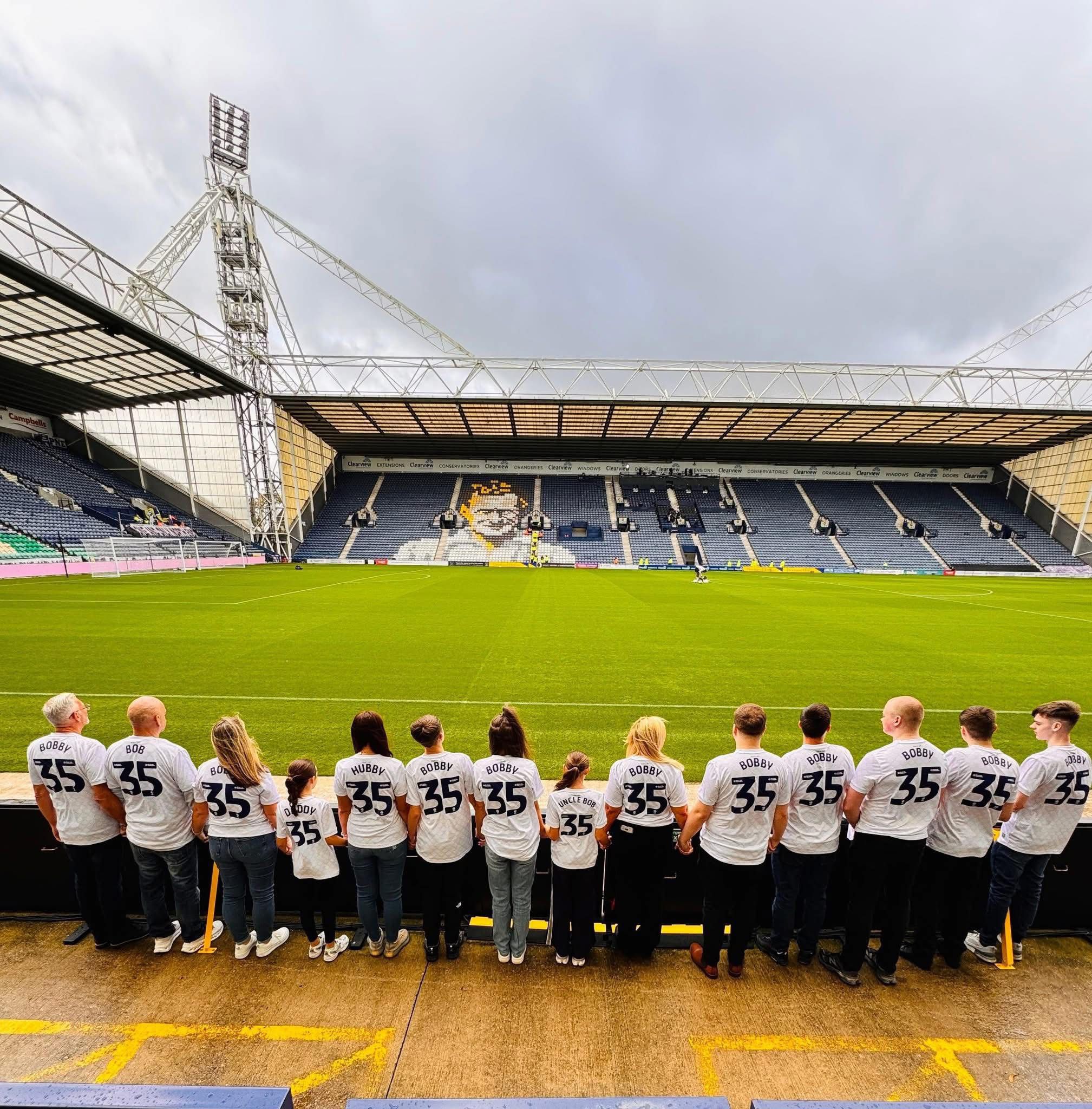
Bobby leaves behind his wife Danielle and their four beautiful children, aged 14, 9, and two year old twins, who will now grow up without the chance to truly know their daddy. He also leaves behind his parents and step mum, his five brothers and only sister, and his three nephews and niece, all of whom loved him deeply and will carry his memory forward.
Through Bobby’s Ball and Carl’s Bobby Challenge, Bobby’s family hope to honour his memory by helping save lives and ensuring more people have access to screening, education, CPR knowledge, and defibrillator awareness before it is too late.
What is Hypertrophic Cardiomyopathy (HCM)?
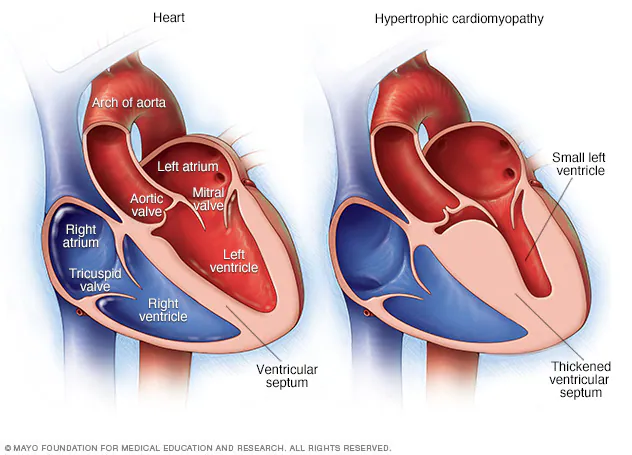
Hypertrophic Cardiomyopathy (HCM) is a condition where the heart muscle becomes abnormally thickened. This can make it harder for the heart to pump blood properly and, in some cases, can cause dangerous heart rhythms that may lead to sudden cardiac arrest.
HCM is often inherited and can run in families. Some people have no symptoms at all, while others may experience shortness of breath, chest pain, dizziness or fainting, heart palpitations, or extreme tiredness. These symptoms can sometimes be mistaken for asthma or anxiety.
Sadly, many people do not realise they have HCM until it is too late. This is why awareness and cardiac screening, especially where there is a family history, are so important.

Why CPR and defibrillator training matters
When someone suffers a sudden cardiac arrest, every second counts.
Immediate CPR can double or even triple a person’s chance of survival. Using a defibrillator (AED) as quickly as possible can be the difference between life and death.
Survival rates drop rapidly for every minute without CPR or defibrillation. Many people still don’t feel confident enough to perform CPR or use a defibrillator, even though defibrillators are designed to be used by ordinary people and guide you step by step.
By raising awareness and supporting organisations like CRY and Heartbeat North West Cardiac Care, we hope more people feel confident to act in an emergency and more families are spared the heartbreak we have experienced.
This page is shared to raise awareness. If you have concerns about symptoms or family history, please speak to a medical professional.